
Executive Summary
On 3 July 2026, the Acholi Women in Health Foundation (AWIHF) held its official pre-launch medical outreach at Abwoch Health Centre III in Tochi County, Omoro District, under the theme "Rooted in Community, Rising in Health: The AWIHF Story."
The camp was conducted as part of the Foundation's pre-launch programming, designed to demonstrate our community-rooted service model and reach underserved families prior to our formal public launch. It brought five essential health services directly to the community, completely free of charge, through close collaboration with health-service partners, local leadership, and community health volunteers.
By the end of a single day, 301 community members were reached, demonstrating both the high demand for accessible frontline healthcare and the power of a coordinated, multi-partner outreach model in overcoming rural barriers of distance, cost, and awareness.
Outreach Date: 3 July 2026
Venue: Abwoch Health Centre III, Tochi County, Omoro District
Theme: “Rooted in Community, Rising in Health: The AWIHF Story”
Community Members Reached
Across five integrated essential health services in a single day.
General Consultations
71.1% women; 71 resulted in documented diagnoses & treatments.
Sickle Cell Screenings
23 individuals (30.3%) identified carrying trait or disease.
HIV Services Reach
52 tested, 98.1% negative, 1 positive linked to care, 3 on PrEP.
Cervical Cancer Screenings
1 referral for specialized assessment & clinical management.
Family Planning Clients
Supported with modern contraceptive methods & counseling.
Partner Organisations
Multi-stakeholder task-sharing & cost-sharing delivery model.
Documented Treatments
Immediate curative care for acute & chronic conditions.
Service Distribution
Breakdown of the 301 community members served across five integrated medical services in a single day at Abwoch Health Centre III.
Service Distribution Graph
Service Volume Summary Table
| Service Stream | People Served | Share of Total |
|---|---|---|
| General medical consultations | 121 | 40.2% |
| Sickle cell screening | 76 | 25.2% |
| HIV screening and counselling | 56 | 18.6% |
| Cervical cancer screening | 35 | 11.6% |
| Family planning | 13 | 4.3% |
| Total Community Reach | 301 | 100.0% |
*General consultations accounted for the largest share of attendance (40.2%), while specialized screening and reproductive health streams provided critical preventive touchpoints.
Detailed Clinical Findings
Full analysis of consultations, laboratory screenings, diagnosis patterns, and clinical referral linkages recorded during the outreach.
1. General Consultations
121 patients seen • 71.1% women
General consultations represented the busiest service point, providing primary diagnosis and prescription support. A total of 71 consultations resulted in a documented diagnosis and immediate medication dispensing, demonstrating widespread unmet demand for basic curative care.
Leading Documented Diagnoses (71 Total):
2. Sickle Cell Screening
Delivered with Tackle Sickle Cell Africa (TSCA)
Conducted in partnership with TSCA, rapid screening and pre/post-test counseling were provided to 76 community members. Approximately 30.3% (23 individuals) of those screened were found to carry either sickle cell trait or disease.
Screening Results Breakdown (76 Screened):
3. HIV Screening & Prevention
Delivered with TASO Gulu Centre
A total of 56 community members were reached through voluntary HIV education, counseling, and diagnostic testing. 52 clients completed testing, while 1 client received counseling only.
- PrEP Initiation: 3 high-risk clients were initiated on Pre-Exposure Prophylaxis (PrEP).
- Linkage to Care: The individual testing positive was immediately connected with confidential follow-up counseling and treatment services.
4. Cervical Cancer & Family Planning
Delivered with Reproductive Health Uganda (RHU), Gulu Branch
RHU midwives provided Visual Inspection with Acetic Acid (VIA) cervical cancer screening for 35 women and modern contraceptive services for 13 clients.
Cervical Cancer Screening (35 Women):
*1 woman (2.9%) was identified with suspicious lesions and referred for comprehensive assessment.
Family Planning Support (13 Clients, Ages 17–45):
Partner Collaboration
The Abwoch Medical Outreach succeeded through an explicit model of task-sharing, cost-sharing, and technical coordination among leading health partners.
Tackle Sickle Cell Africa (TSCA)
Conducted pre-test and post-test counseling, performed rapid haemoglobin screening for 76 participants, and provided clinical education on sickle cell trait management and family planning implications.
The AIDS Support Organisation (TASO), Gulu Centre
Delivered voluntary HIV counseling and testing for 52 clients, initiated 3 high-risk clients on Pre-Exposure Prophylaxis (PrEP), and provided immediate psycho-social linkage for 1 newly identified client.
Reproductive Health Uganda (RHU), Gulu Branch
Conducted visual inspection with acetic acid (VIA) cervical cancer screenings for 35 women, provided modern family planning counseling and contraceptive commodities (Depo-Provera and Sayana Press), and facilitated referral linkage.
Abwoch Health Centre III & Omoro District Local Government
Provided clinical space, examination rooms, infrastructure, laboratory facility access, utilities, and essential local facility staff to support service delivery and ensure institutional continuity.
Hashtag Gulu
Mobilised community members, engaged adolescent girls and young mothers across Tochi County, and assisted with client registration, patient flow, and logistical coordination.
AWIHF Staff and Healthcare Volunteers
Provided overall programme coordination, clinical consultations, triage, pharmacy dispensing, documentation, and follow-up tracking across all service streams.
Operational Lessons Learned
Accountability and programme reflection guide our continuous investment and service expansion:
Demand outstripped capacity
Community turnout substantially exceeded initial forecasts, creating clinician bottlenecks and extended waiting times at registration, consultation, laboratory, and dispensary points.
Supplies ran short
High patient volume depleted certain essential curative and preventive pharmaceuticals before the end of the day, demonstrating the necessity of larger advance supply quantification.
Patient flow required more structured triage
Without a dedicated initial triage station, acutely ill patients were co-located with preventive screening clients, generating registration congestion that slowed clinical throughput.
A single-day model limits counseling depth
While 301 people received vital care, a one-day camp constrained the time available for thorough one-on-one counseling and comprehensive health literacy at each service point.
Next-Phase Priorities
Validated priorities to scale the community outreach model across the Acholi sub-region:
Fund more clinicians at consultation points
Increase medical officer and clinical officer staffing at outreach hubs to minimize client waiting times and avoid overburdening frontline medical personnel.
Procure and quantify medical supplies earlier
Establish buffer stocks for essential antibiotics, antihypertensives, antimalarials, analgesics, and screening reagents based on realistic rural attendance trends.
Build structured referral and follow-up pathways
Formalize longitudinal follow-up mechanisms for community members diagnosed with sickle cell trait/disease, hypertension, diabetes, and cervical abnormalities.
Expand cervical cancer screening and family planning outreach
Deepen community sensitisation and address stigma around reproductive health services to elevate screening uptake to parity with general medical consultations.
Train more staff and volunteers in documentation tools
Equip field health workers and student volunteers with standardized digital/paper registry tools to ensure seamless data capture and clinical audit accuracy.
Replicate the multi-partner outreach model across Acholi
Scale integrated health outreach camps to additional rural health centre II and III facilities throughout Omoro, Gulu, and neighboring districts.
Outreach Field Documentation
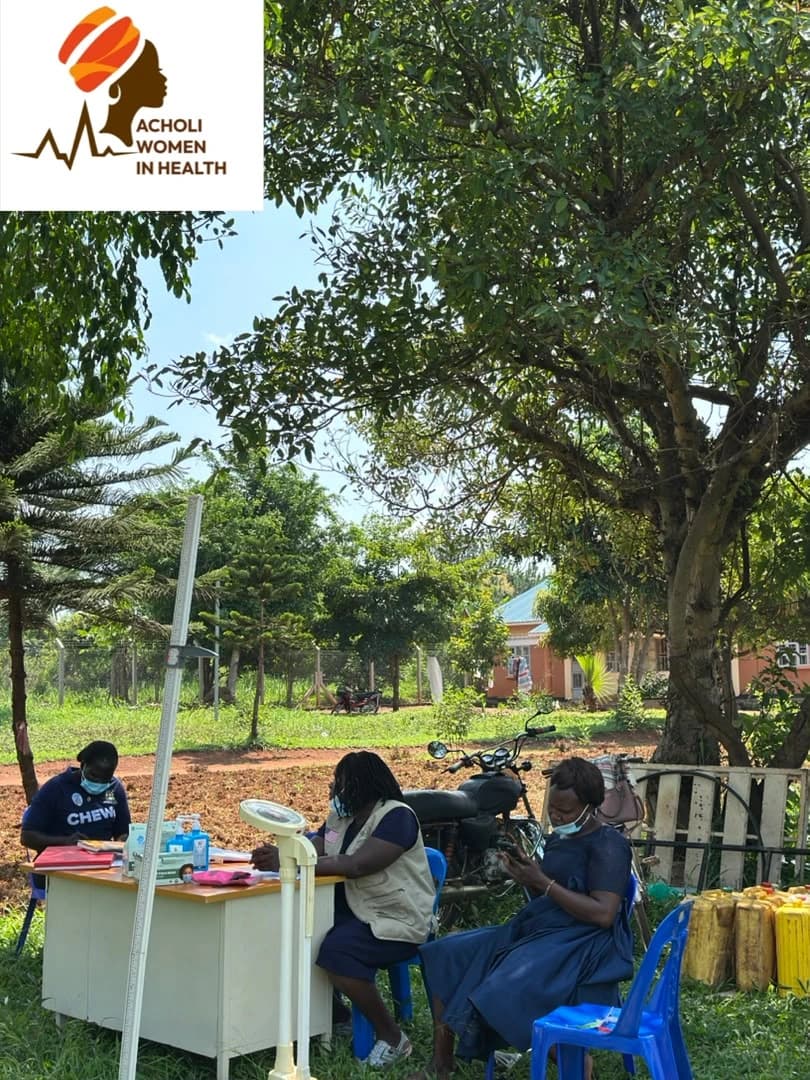
Visual records and photographic documentation from AWIHF's 3 July 2026 pre-launch medical outreach at Abwoch Health Centre III.
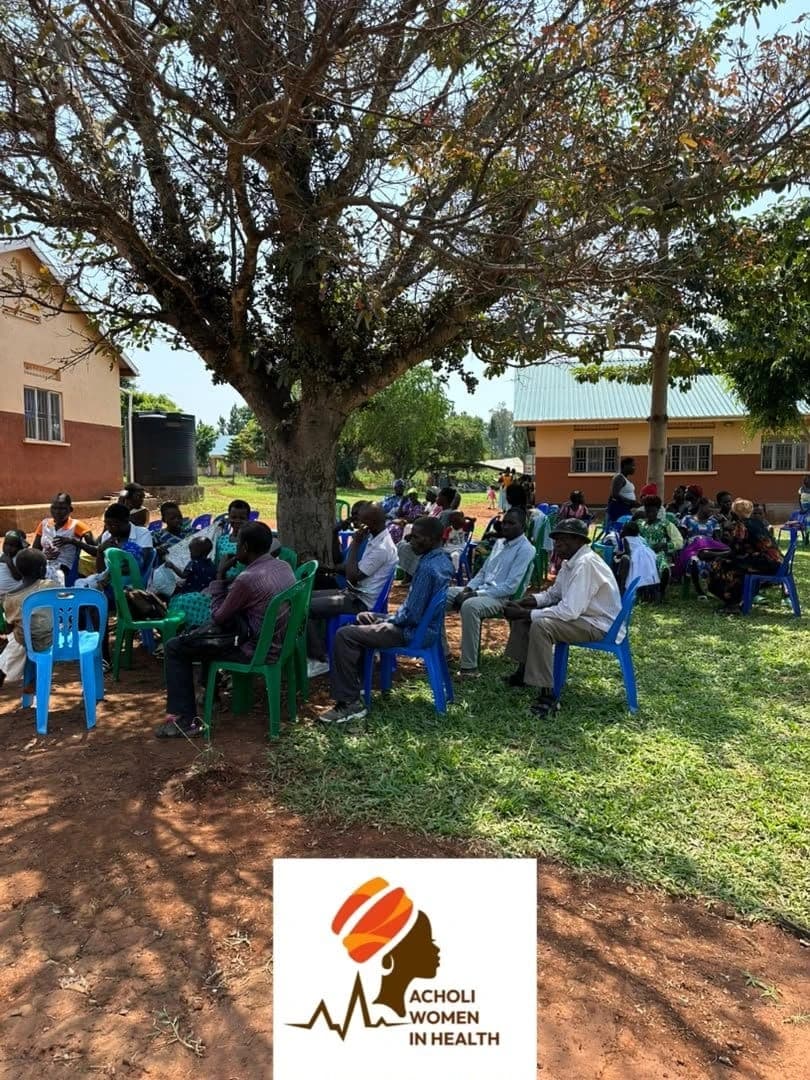
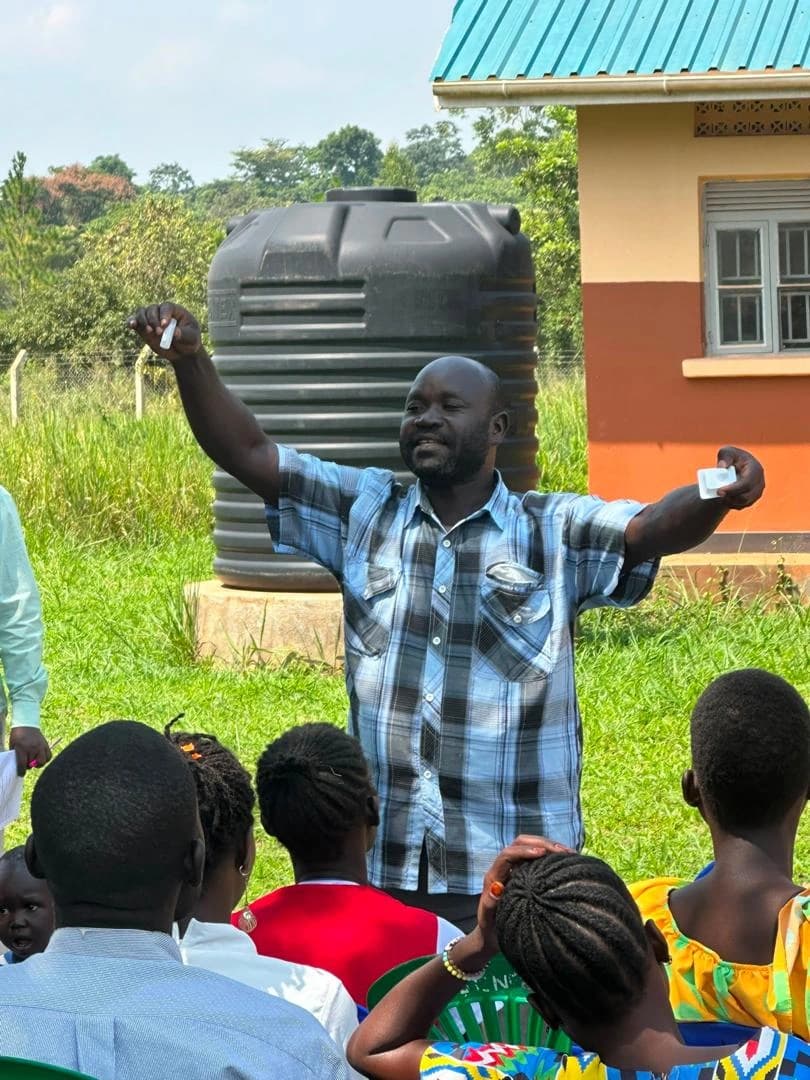
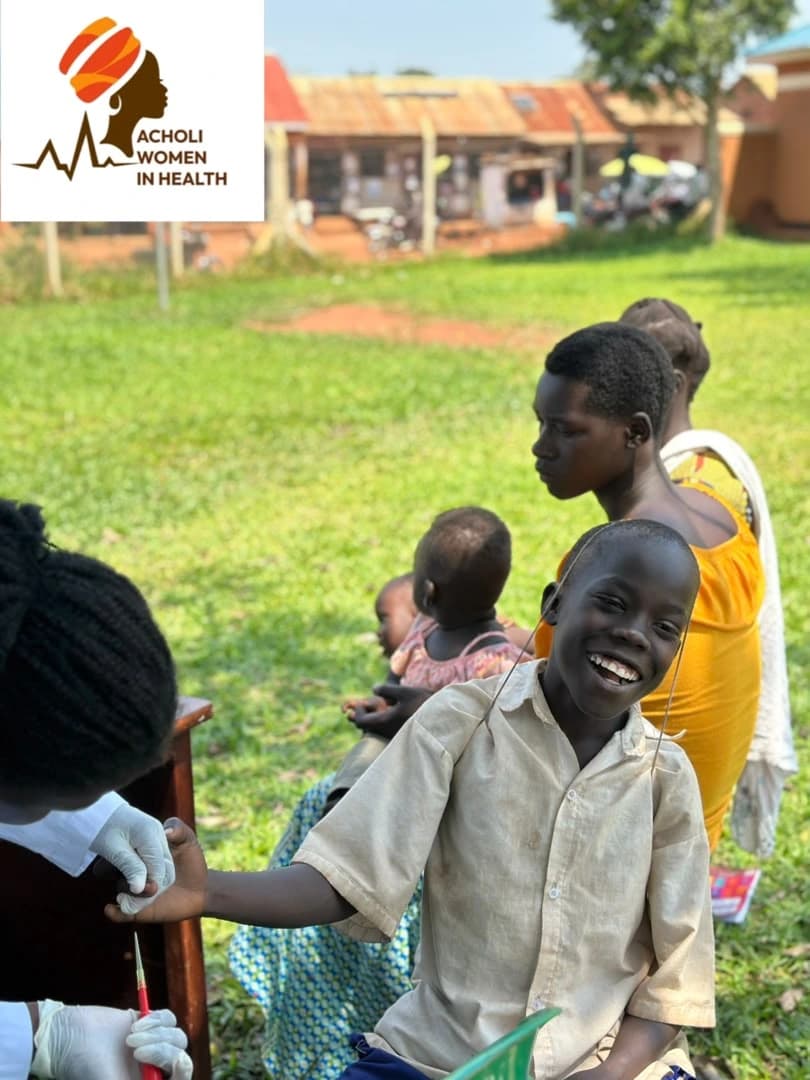
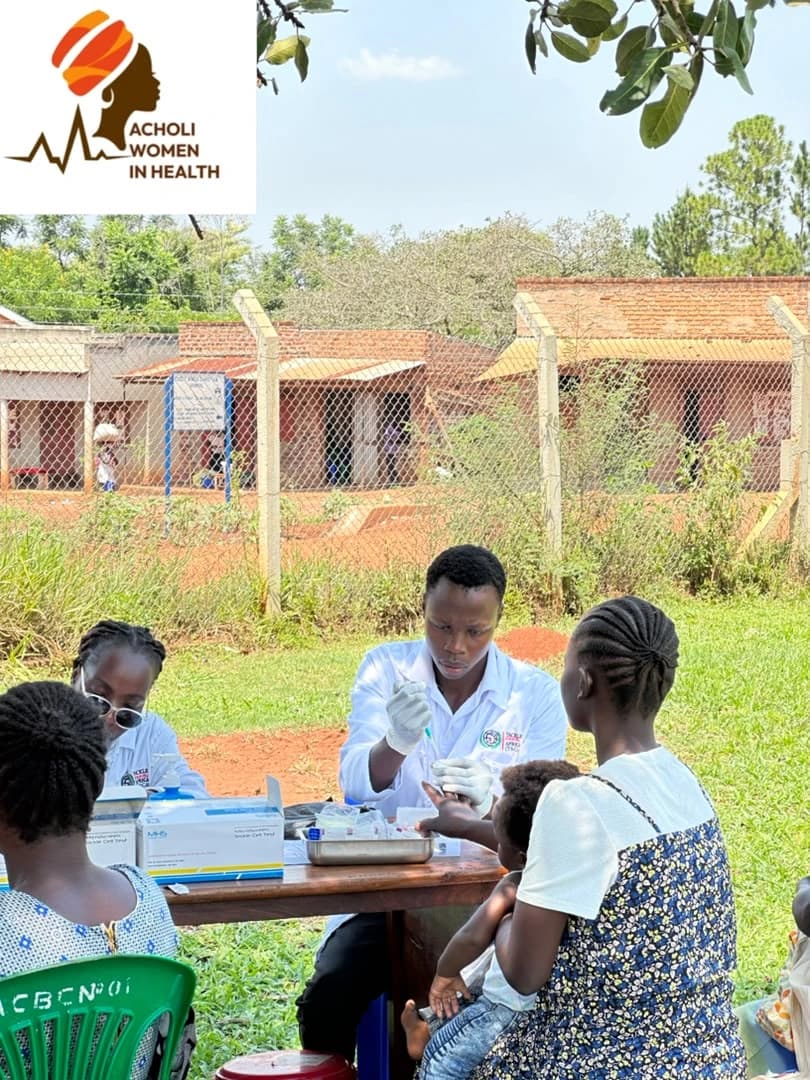
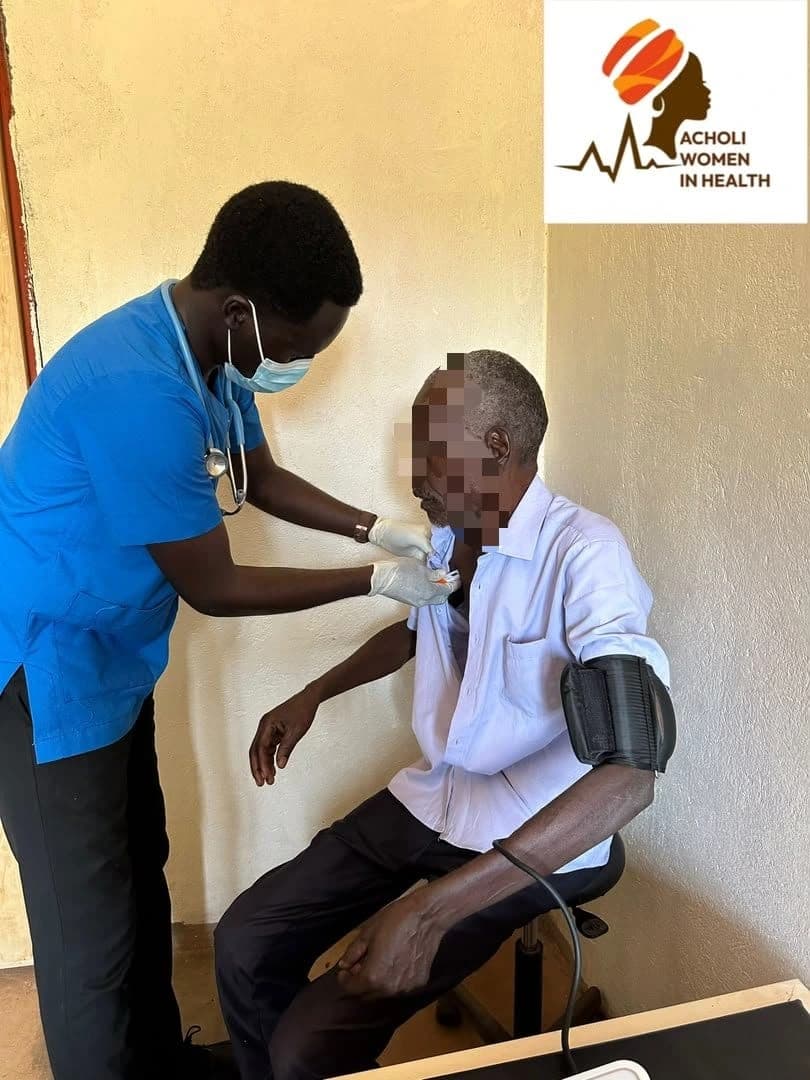
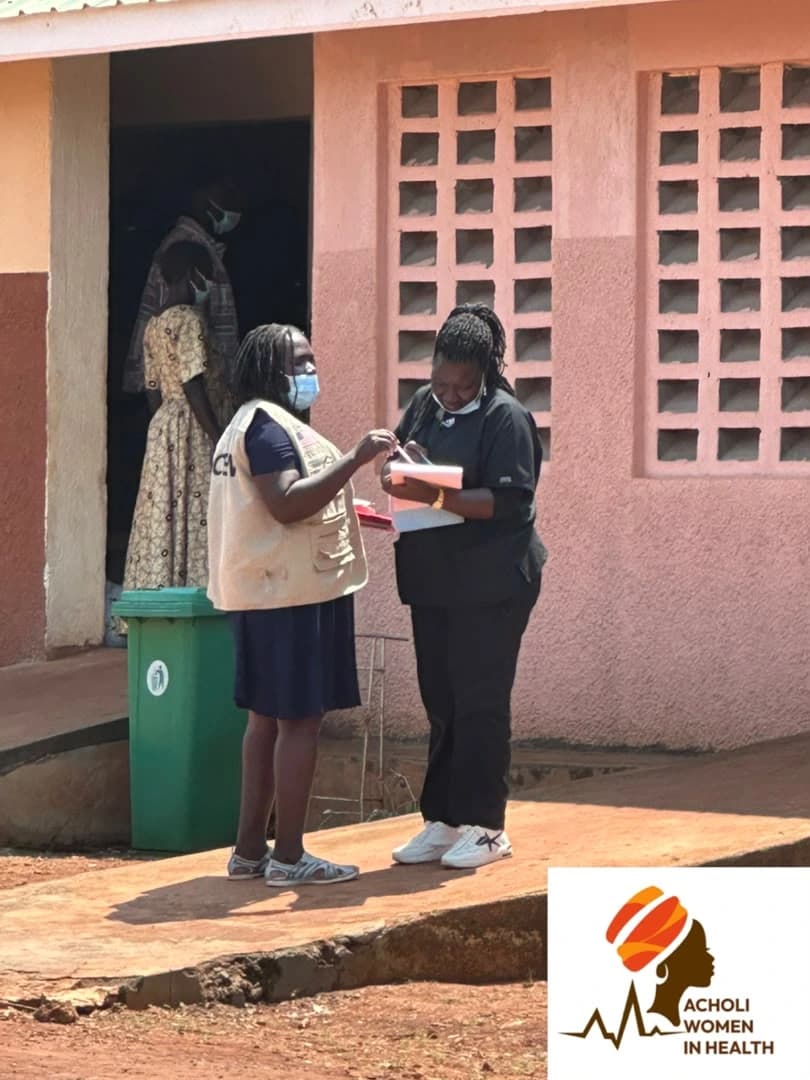
Community members gather before the health education talk at Abwoch Health Centre III.