Maternal & Reproductive Health
Scope of Work
Our Maternal & Reproductive Health programme is a community-rooted response to the critical maternal healthcare deficit in Northern Uganda. The post-conflict status of the region has left healthcare infrastructure fragmented, resulting in an Acholi sub-region maternal mortality rate of 106.0 per 100,000 live births, far above the national average of 69.1.
We operate direct grassroots interventions, bringing skilled birth attendance counseling, family planning education, and pregnancy care packages directly to community health hubs in rural sub-counties. Through peer support networks and local health-center referral relationships, we advocate for safe motherhood and dignity at every birth.
Core Objective
To increase access to safe motherhood, antenatal support, and family planning services, closing critical gaps in reproductive healthcare across Gulu and rural Acholi sub-counties.
Target & Coverage
Teenage mothers, young girls, and mothers of reproductive age in underserved communities throughout Gulu District, experiencing disproportionate rates of maternal mortality.
Core Activities & Interventions
- Conducting community-based antenatal care checkups and promoting skilled birth attendance.
- Providing comprehensive educational workshops on Sexual and Reproductive Health and Rights (SRHR).
- Distributing dignity kits and reusable sanitary pads to vulnerable girls to prevent school dropouts.
- Establishing maternal emergency referral pathways and health center integrations in Gulu.
- Running regional cervical cancer awareness and preventive care campaign outreaches.
Success Indicators
1,000+ households successfully supported during regional maternal health, Patiko, and Abwoch outreach events.
Referral pathways successfully established with Gulu City referral hospitals for high-risk obstetric cases.
Significant reduction in school absenteeism among adolescent girls in our target rural schools.
500+ teenage mothers supported with comprehensive clinical care, peer counseling, and parent integration classes.
Programme in Practice
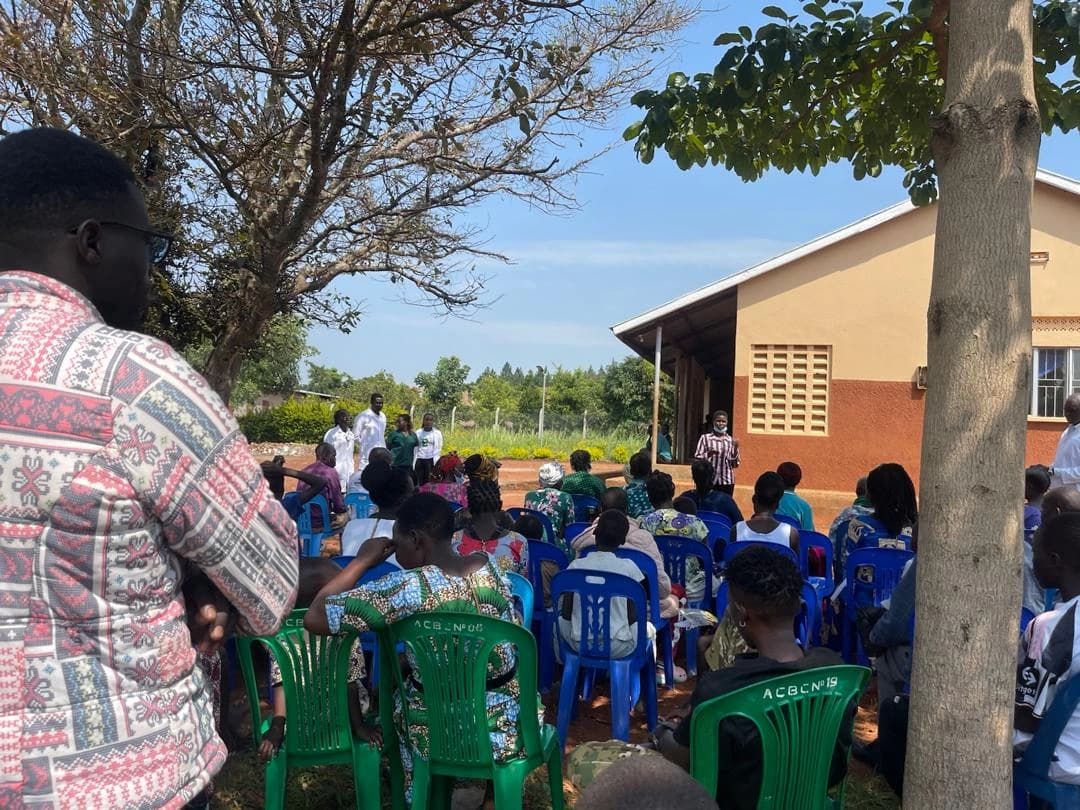
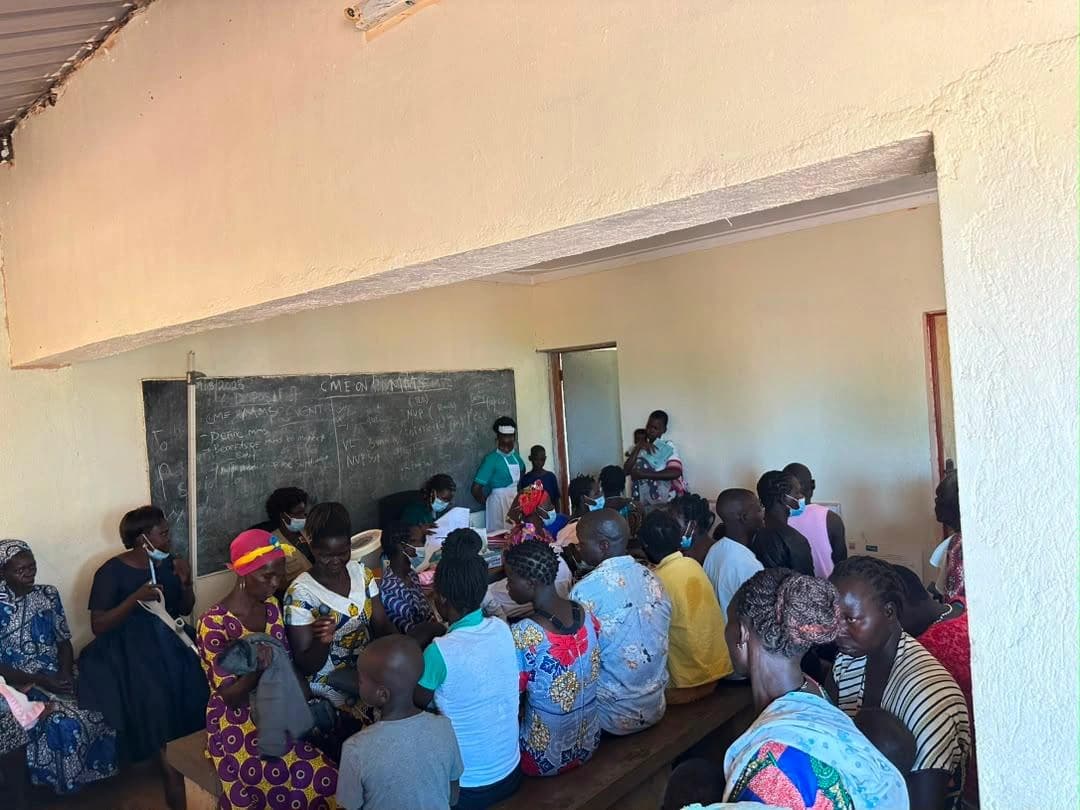
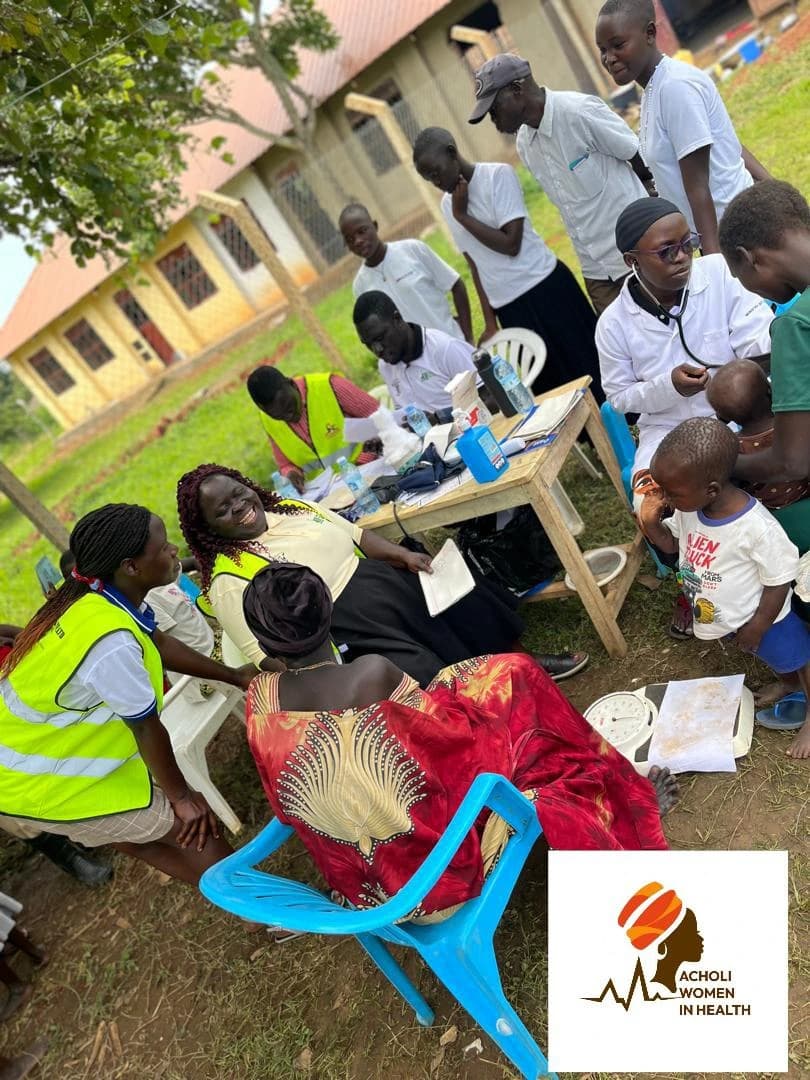
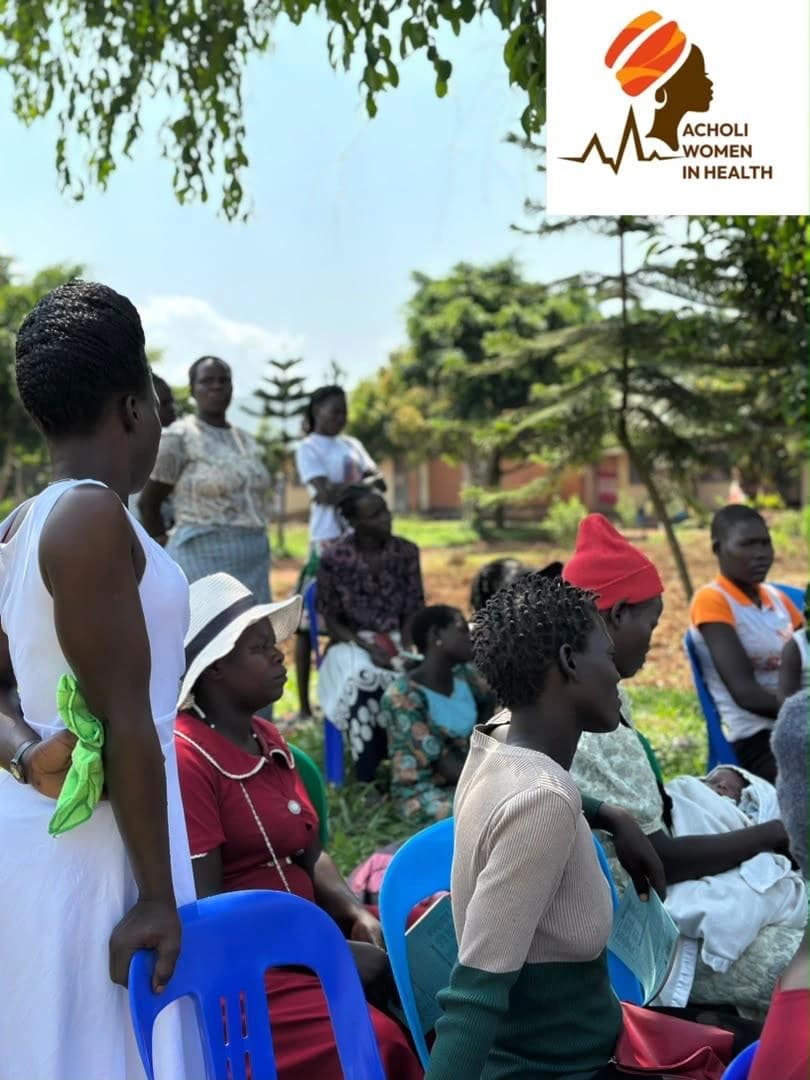
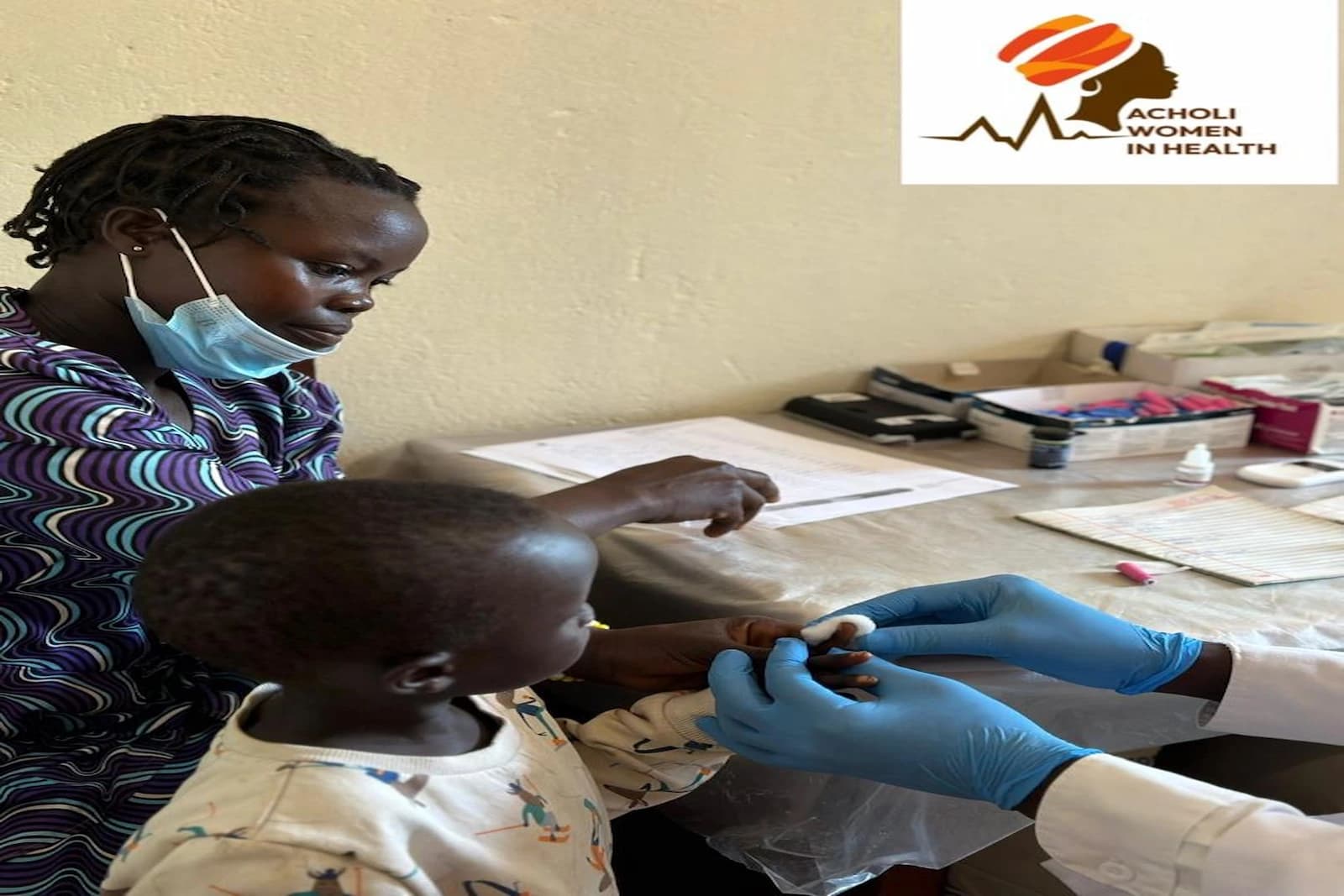
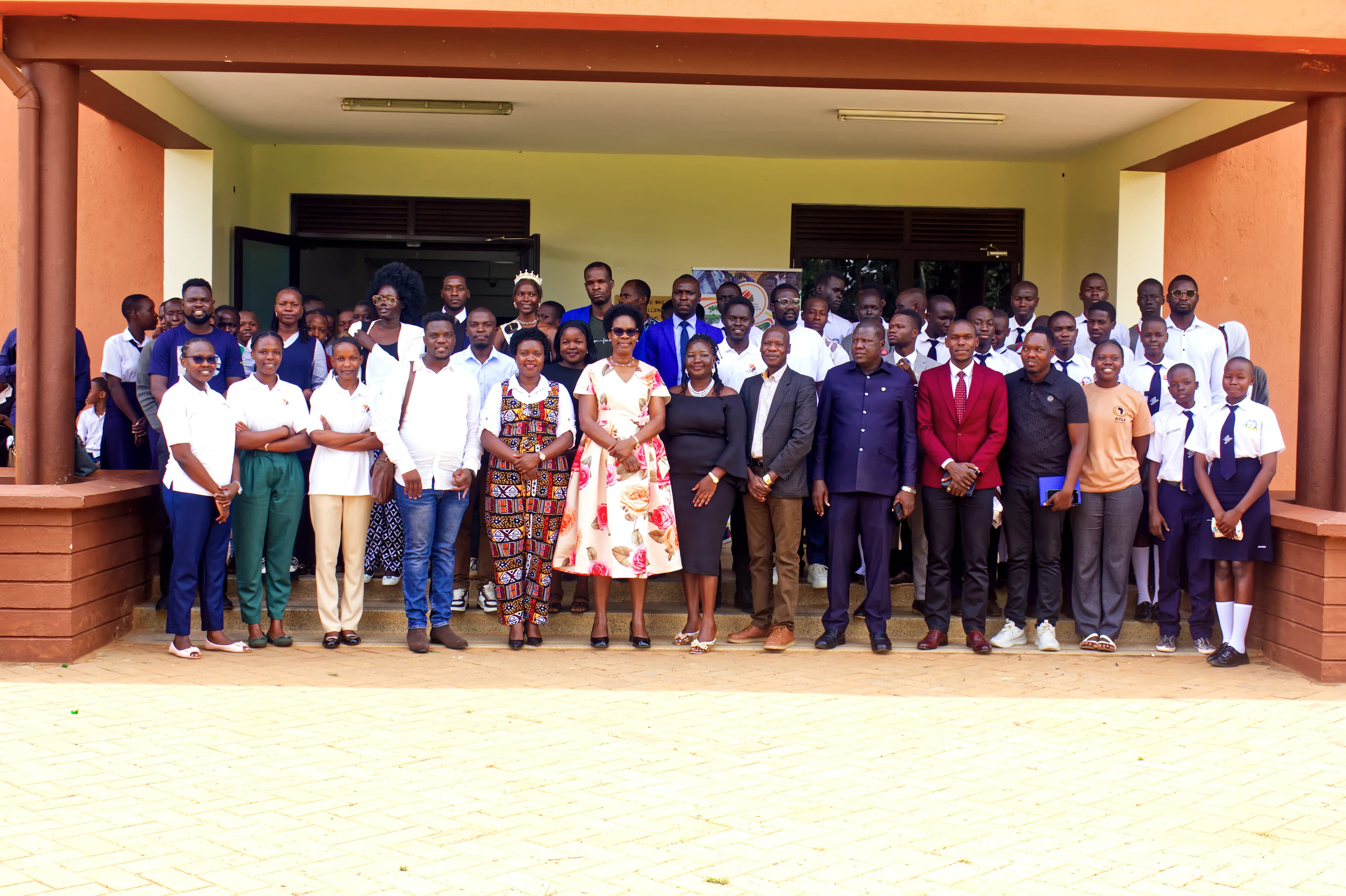
Field documentation and photographic records from our Maternal & Reproductive Health community operations and outreach activities across Northern Uganda.